
Pigmentation
Understanding your skin. Restoring your confidence.
Pigmentation can show up through so many chapters of life, years of Queensland sun, pregnancy, hormonal changes, medications, inflammation or simply changes that seem to appear from nowhere. And when your skin starts to look different, it can affect how you feel about yourself too.
There’s no judgement here, and nothing you need to hide. We’ll take the time to understand why your pigmentation is happening and what your skin needs now, then create a thoughtful treatment plan to help improve uneven tone while supporting the long-term health of your skin.
We’ll help you understand what’s causing your pigmentation, what can realistically be improved, and how to get your skin looking more even and healthy over time.
What is pigmentation?
Pigmentation is the colour within your skin, also known as Melanin. Melanin is produced by cells in the Epidermis called melanocytes, whose job is to protect your skin from damage.
When your skin is exposed to things like UV light, excessive hormones, heat, inflammation or even medications, these cells can become overactive and begin producing more melanin than your skin actually needs. Instead of creating an even ‘Tan”, that extra pigment collects in certain areas, leaving behind patches, spots or uneven skin tone.
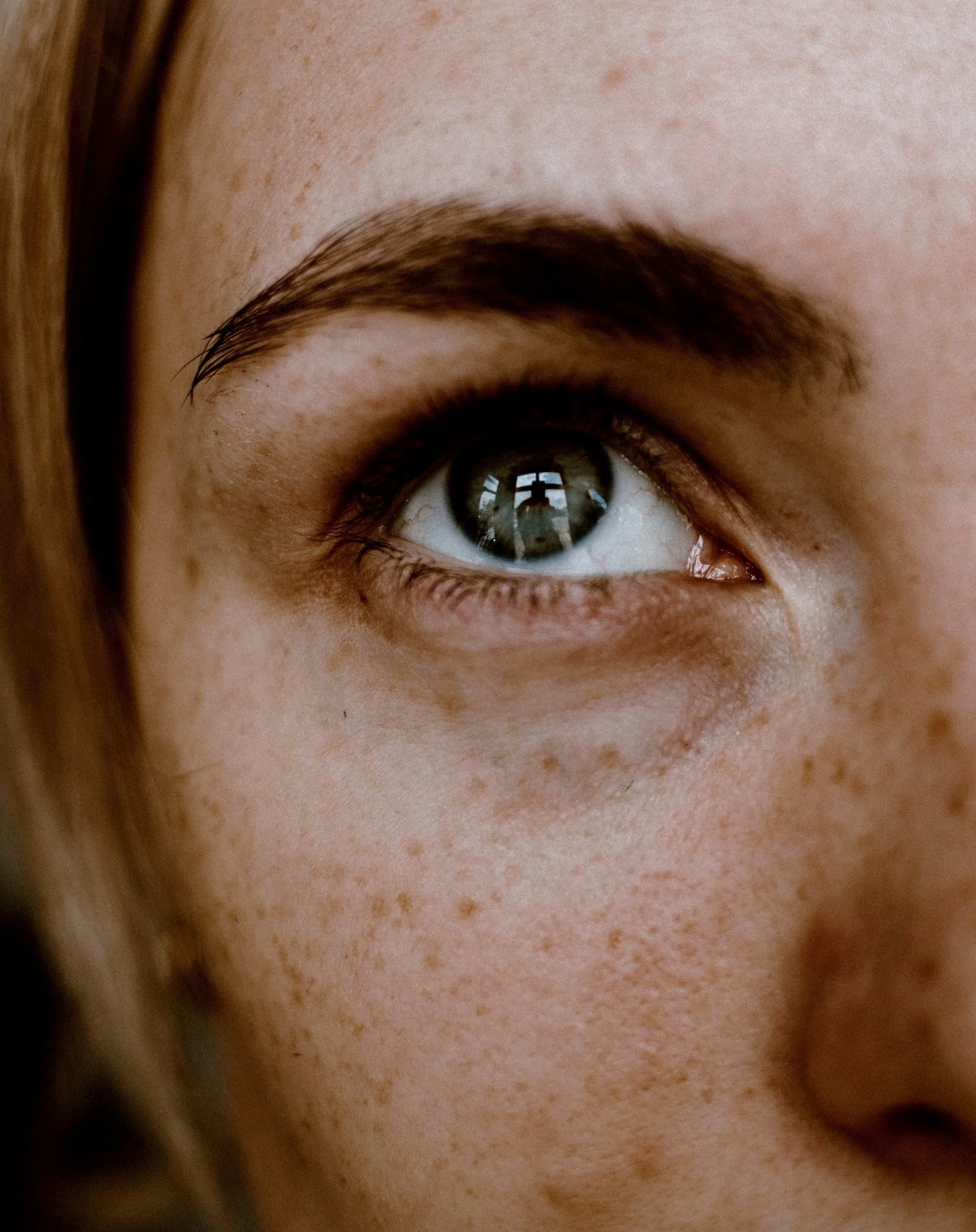
Our Approach to Pigmentation
Pigmentation is a process, not simply something sitting on the surface of your skin. When melanocytes are stimulated by factors such as UV exposure, hormones and inflammation, they activate a complex pathway called melanogenesis, producing melanin within specialised structures called melanosomes.
At the centre of this process is tyrosinase, a key enzyme involved in converting tyrosine into the building blocks of melanin. Other pathways and signalling molecules, including MC1R, α-MSH and MITF, also influence how much pigment is produced, while the finished melanin is transferred from melanocytes into surrounding skin cells.
That means effective pigmentation management needs to address more than the visible colour. We work across the pathway, calming inflammation, supporting the skin barrier, reducing the signals that stimulate melanogenesis, inhibiting pigment-producing enzymes, encouraging healthy cell turnover and limiting further UV and environmental stimulation. This is why our approach is focused on controlling pigment at multiple stages rather than simply using increasingly aggressive treatments.
The goal is not simply to make pigmentation lighter today. It’s to create an environment where your skin is better supported, pigment is better controlled and results are more sustainable over time.
Treatment options
At Delilah Mae Skin, there’s no one-size-fits-all approach. We take the time to understand your skin, your pigmentation and what may be driving it, so we can recommend treatments that are right for you.
We’ll talk you through your options honestly, what each treatment does, what you can expect, pricing, home care and how we believe it can work for your skin.
From there, we’ll decide together on the treatment approach that best suits your skin, your goals and your lifestyle.
Circadia Advanced Peels
Targeted pigment correction
Pigmentation responds best to a thoughtful, targeted approach, not simply stronger exfoliation. Circadia’s professional peel system gives us the flexibility to select from enzymes, gel-based peels and advanced ethanol-based peels, allowing us to tailor the treatment to your skin and the type of pigmentation we’re addressing.
By supporting healthy cell turnover while targeting the processes involved in excess pigment, Circadia peels can help brighten uneven tone, reduce the appearance of pigmentation and reveal clearer, more radiant skin, while keeping the health and resilience of your skin at the forefront.
LED Light Therapy
Supporting pigment at a cellular level.
LED can assist in creating a healthier environment for your skin to regulate pigment, while supporting the cells and processes involved in renewal and repair. It’s not about simply trying to lighten what’s already there; it’s about addressing some of the underlying factors that can contribute to ongoing pigmentation.
LED isn’t a standalone pigmentation treatment, and that’s where it really shines. Used alongside targeted Circadia peels, active home care and other corrective treatments, it can help calm, strengthen and support the skin throughout your pigmentation journey, making it an exceptional addition to a treatment plan focused on clearer, more even and healthier skin.
Skin Needling & Bio Micro Needling
Stimulating the skin to regulate, repair and renew.
Skin Needling and Bio Microneedling work in different ways, but both create a controlled stimulus within the skin that can influence the processes involved in pigmentation, repair and renewal. Which approach we choose depends on the type of pigmentation, what’s contributing to it and where the pigment is sitting within the skin.
With Skin Needling, we can also introduce targeted active ampoules directly into the skin, selecting ingredients such as niacinamide and other skin-supporting actives according to what your skin needs. This allows us to combine controlled stimulation with targeted ingredients that can support a more even complexion and healthier skin function.
It all starts with a consultation
It can be daunting; you might have done this before and felt as though it was a waste of time and money. We are women who genuinely care for you and respect your time and money. Our values are to have you feeling, welcome, safe and never judged.