
Melasma
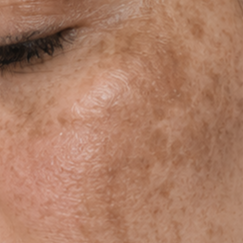
When pigment is more than skin deep Melasma is a complex form of pigmentation that often appears as symmetrical, patchy brown or grey-brown areas across the cheeks, forehead, upper lip, nose or jawline. It is particularly common in women and can be influenced by hormones, UV exposure and visible light. But melasma isn't simply a case of “too much sun”. There is much more happening beneath the surface.
What's happening in the skin?
Melanocytes are the cells responsible for producing melanin, the pigment that gives our skin its colour.
In melasma, these pigment-producing cells become more active and produce excess melanin. That pigment can then be transferred into surrounding skin cells.
But current understanding of melasma goes further.
Research has identified changes involving the epidermis, basement membrane, dermal environment, vascular changes, mast cells and fibroblasts, making melasma a much more complex skin condition than simply excess pigment.
What can contribute to melasma?
Melasma is thought to develop from a combination of genetic susceptibility and environmental and hormonal influences.
Common contributing factors include:
UV exposure
Visible light
Hormonal fluctuations
Pregnancy
Oral contraceptives and some hormone therapies
Genetic predisposition
Inflammation
Heat and environmental stress
Certain medications and fragranced products
Visible light is particularly important because pigmentation can be stimulated by wavelengths beyond UV radiation, which is one reason pigment management requires more than simply “wearing sunscreen”.
How we approach melasma at Delilah Mae
We don't chase melasma. We regulate it.
Our approach begins with understanding the condition, identifying contributing factors and creating an environment where the skin can function more calmly.
Rather than aggressively trying to remove pigment from the surface, we work progressively to:
Calm → Regulate → Renew → Correct → Maintain
Our treatment choices are guided by the condition of your skin on the day, the depth and behaviour of your pigment, your skin's tolerance and your long-term goals.
Melasma is a chronic condition and can return, even after significant improvement. That's why our approach focuses on skin health and long-term pigment management rather than a quick fix.