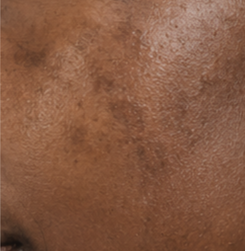
Pigmentation and Skin of Colour
Pigment behaves differently in every skin
Pigmentation isn't one-size-fits-all.
Skin with more melanin can have a greater tendency to develop persistent pigmentation following inflammation or injury, which means treatment needs to be carefully considered.
What's happening?
All skin contains melanocytes.
But melanocytes in darker skin tend to produce more melanin, and melanosomes can be larger and more persistent within the epidermis.
This contributes to the protective role of melanin, but it can also mean that inflammatory events are more likely to leave visible pigmentation.
Why this matters at Delilah Mae
A treatment that creates an excellent result in one skin type may create unwanted inflammation in another.
That's why we don't use a “one treatment fits all” approach to pigmentation.
We consider:
Your skin tone
Your pigmentation pattern
Your history of pigmentation
Your level of inflammation
Your skin barrier
Previous treatments
Your current home care
Your skin's tolerance
Your lifestyle and sun exposure
Then we build your treatment progression accordingly.
The goal is not to make your skin lighter.
The goal is to make your skin healthier, more even and more resilient while respecting your natural skin tone.
That distinction is incredibly important.
The goal is not to make your skin lighter.
The goal is to make your skin healthier, more even and more resilient while respecting your natural skin tone.
That distinction is incredibly important.